
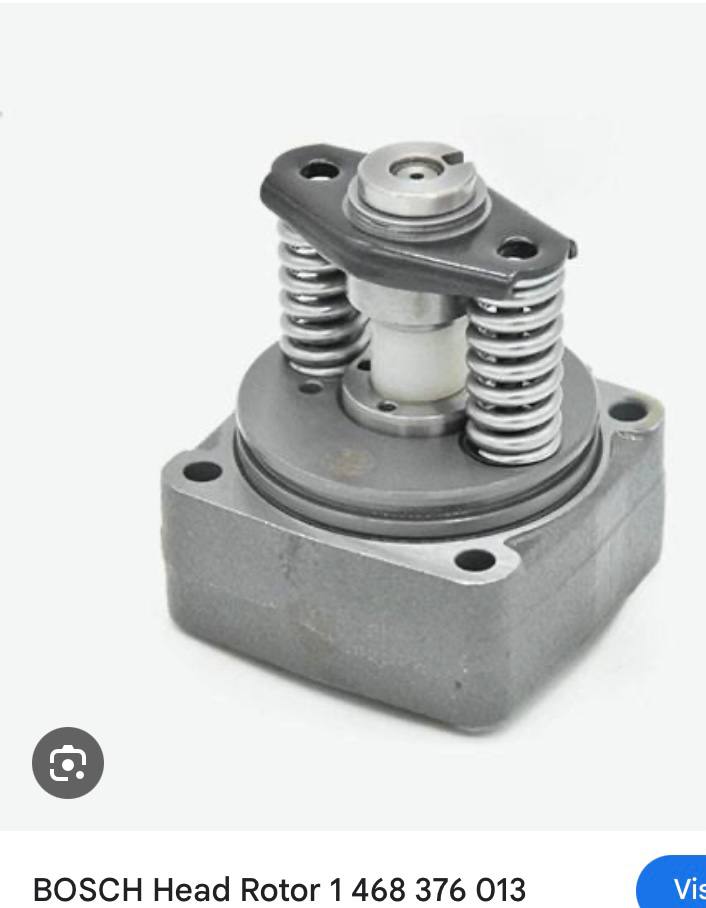
BOSCH HEAD ROTOR 1468376013
Available on stock
+251945408348
 1 %
1 %
 0 %
0 %
 0 %
0 %
 0 %
0 %
 0 %
0 %
 0 %
0 %
 0 %
0 %
 0 %
0 %
 0 %
0 %
 0 %
0 %
 0 %
0 %
 0 %
0 %
 0 %
0 %
 0 %
0 %
 0 %
0 %
 1 %
1 %
 0 %
0 %
 0 %
0 %
 0 %
0 %
 0 %
0 %
 1 %
1 %
 1 %
1 %
 1 %
1 %
 0 %
0 %
 0 %
0 %
 0 %
0 %
 0 %
0 %
 0 %
0 %
 0 %
0 %
 0 %
0 %
 0 %
0 %
 0 %
0 %
 0 %
0 %
 0 %
0 %
 0 %
0 %
 0 %
0 %
 0 %
0 %
 0 %
0 %
 0 %
0 %
 0 %
0 %
 1 %
1 %
 1 %
1 %
 0 %
0 %
 0 %
0 %
 0 %
0 %
 0 %
0 %
 0 %
0 %
Placement Tips for Farm or Tractor Areas Identify Spider Pathways: Spiders typically travel along walls, near dark corners, or under equipment. Place traps where you see webs or movement Multiple Traps for Coverage: Spread several glue boards several feet apart to increase capture probability. heck and Rotate: Review traps every 1–2 days. Replace or move underperforming traps to high-activity zones. Combine Methods: Use sprays for perimeter treatment around tractor sheds, feed rooms, and storage areas, while employing glue traps in enclosures or near machinery
 0 %
0 %
Tractor Belts Overview Tractor belts are essential components that drive various parts of the tractor, such as the engine, PTO, or harvesting attachments. They allow the tractor to function efficiently during tasks like soil ploughing, harvesting, grain loading, and bale making. There are several types of belts commonly used in agricultural machinery: Raw Edge Cogged Belts – Suitable for high-load drives, offering flexibility and resistance to slipping. Poly-V Belts – Multi-rib belts designed for heavy-duty applications, maintaining consistent performance under tension. Timing Belts – Used for precise synchronization of engine or implement components.
 0 %
0 %
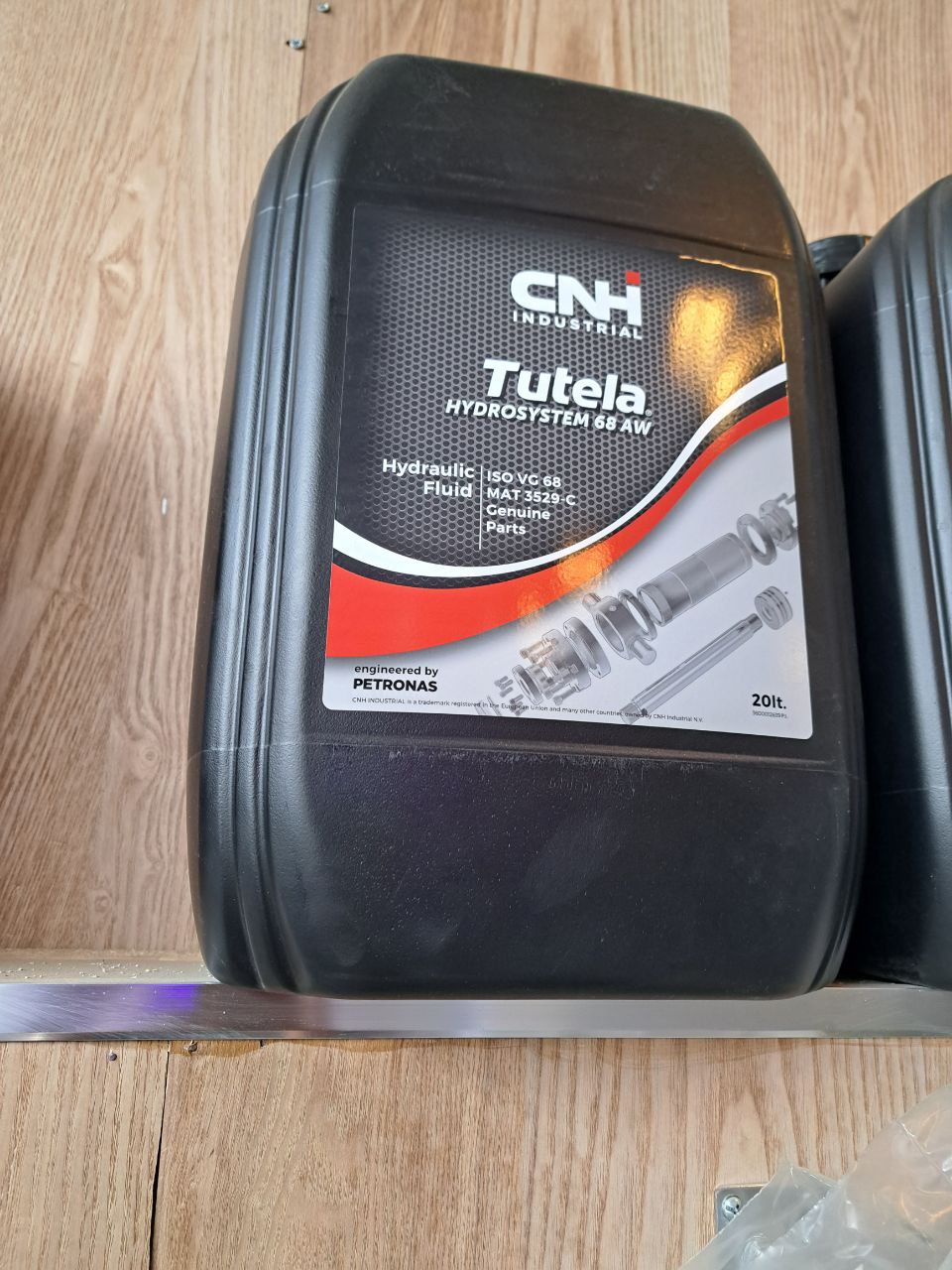
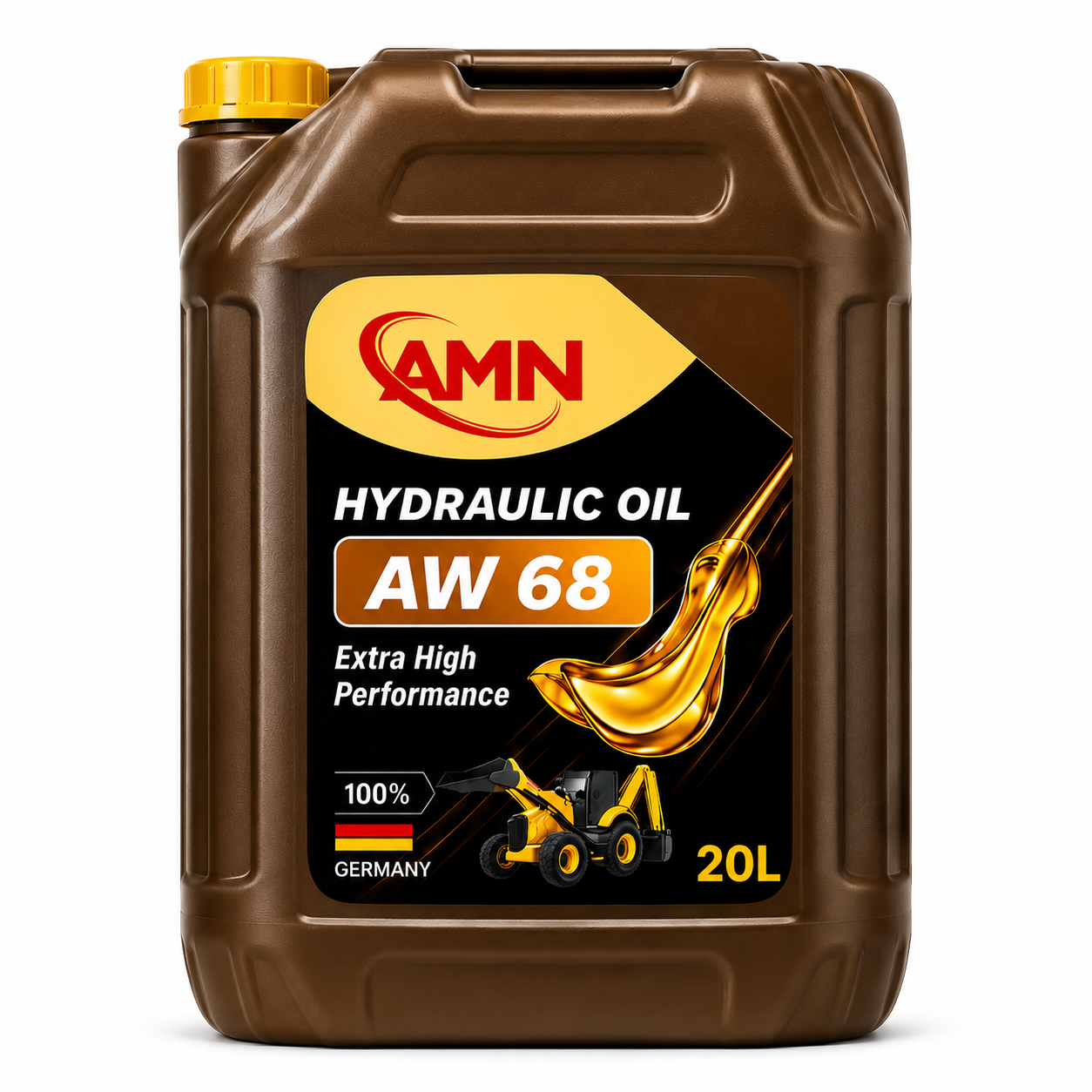
Overview and Properties Hydraulic Oil 68 belongs to the ISO VG 68 viscosity grade, meaning it has a kinematic viscosity of approximately 68 mm²/s at 40°C. This oil type is generally mineral-based or blended with synthetic additives and is formulated to provide: Excellent lubricity to reduce wear and friction in hydraulic components Oxidation and thermal stability for maintaining performance under high temperatures Corrosion and rust protection to extend equipment life Foam resistance to maintain smooth hydraulic operation under varying pressures Typical Applications Hydraulic Oil 68 is suitable for medium to high-pressure hydraulic systems and industrial machinery operations, including: Hydraulic systems in construction and earth-moving equipment, such as excavators, loaders, and cranes, where consistent viscosity is essential for efficient power transfer Industrial presses, injection molding machines, and stamping equipment requiring stable hydraulics for precision movement Marine and turbine hydraulic systems, where reliable lubrication over a range of temperatures is critical Gearboxes and other lubrication points in heavy-duty industrial equipment that operate under moderate speed and moderate-to-high load Operational Considerations When using Hydraulic Oil 68: Temperature range: Suitable for environments where operating temperatures are moderately high; viscosity allows efficient lubrication without excessive fluid thinning or thickening Compatibility: Should match the manufacturer’s hydraulic system specifications to avoid seal degradation or component wear Maintenance: Regular monitoring for contamination and viscosity changes helps ensure long system life and optimal performance
 0 %
0 %
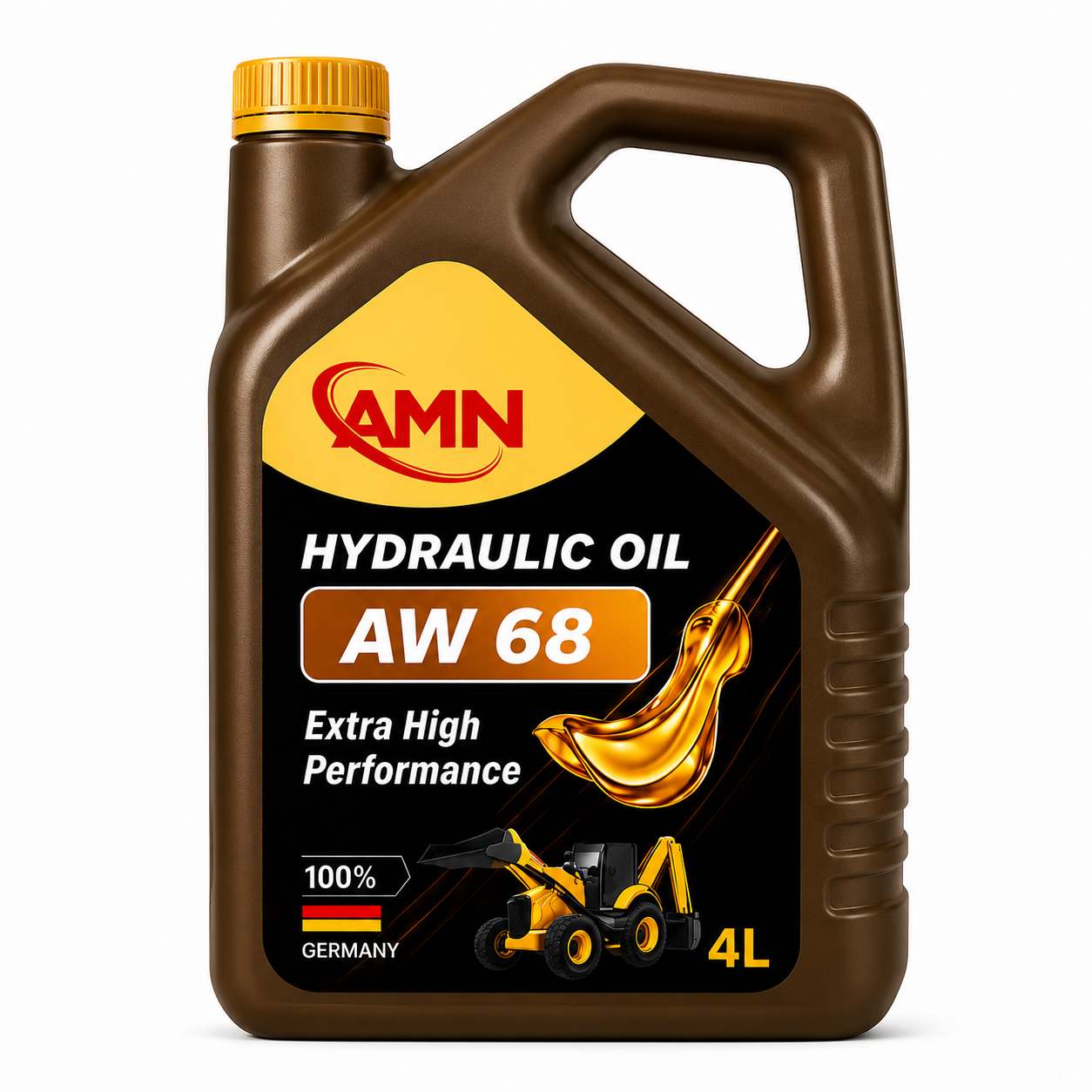
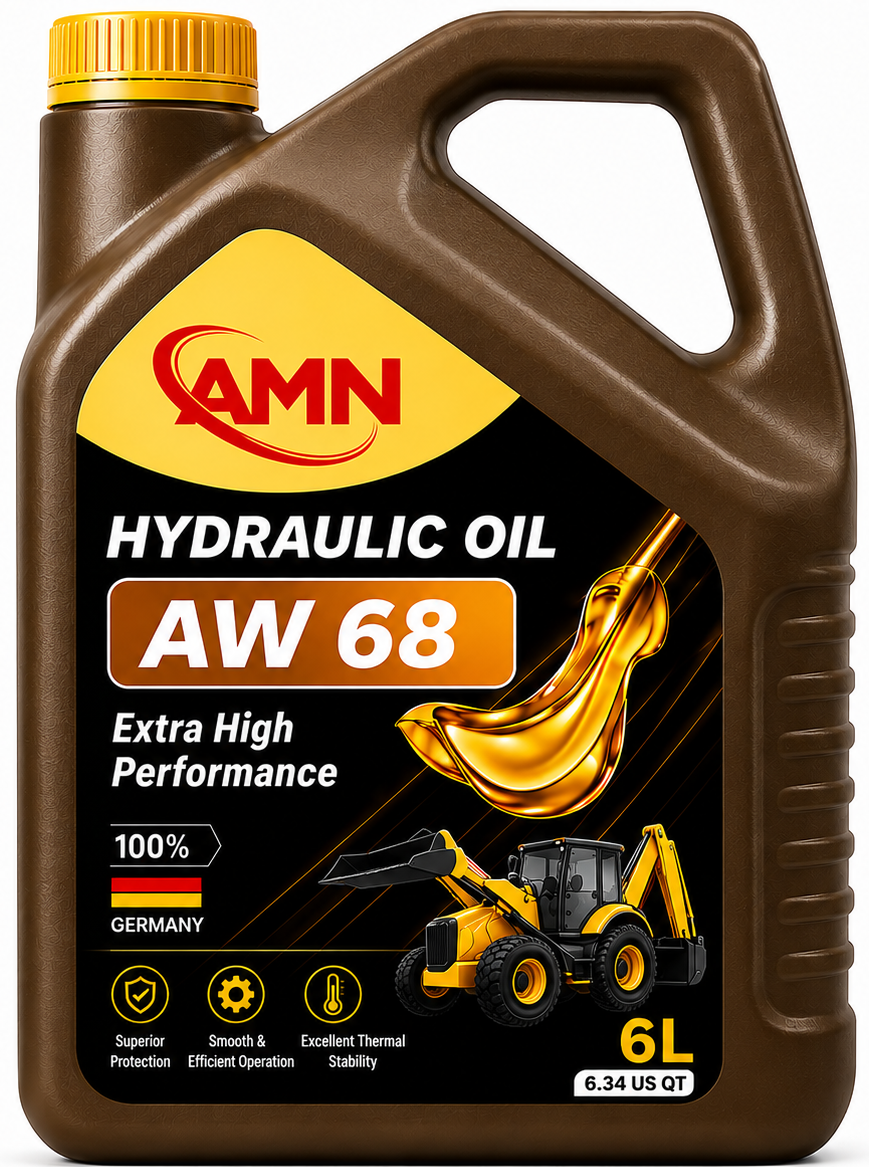
Hydraulic 68 oil is a high-performance anti-wear hydraulic fluid with ISO VG 68 viscosity, designed for industrial and automotive hydraulic systems. Key Properties Hydraulic 68 oil is formulated from high-quality base stocks combined with anti-wear, anti-oxidant, anti-rust, and anti-foam additives to ensure optimal lubrication and protection of hydraulic systems.
 0 %
0 %
Hydraulic Oils: Definition, Types, Uses, and Benefits Hydraulic oils are essential fluids used in hydraulic systems to transmit power, lubricate moving parts, dissipate heat, and protect seals. They come in various types, including mineral-based, synthetic, and bio-based, each with specific properties and applications. The primary benefits of using hydraulic oils include energy savings, reduced wear and tear on components, and extended maintenance intervals. Additionally, hydraulic oils are environmentally friendly and can be used in a wide range of industries, from construction to aerospace.
 0 %
0 %
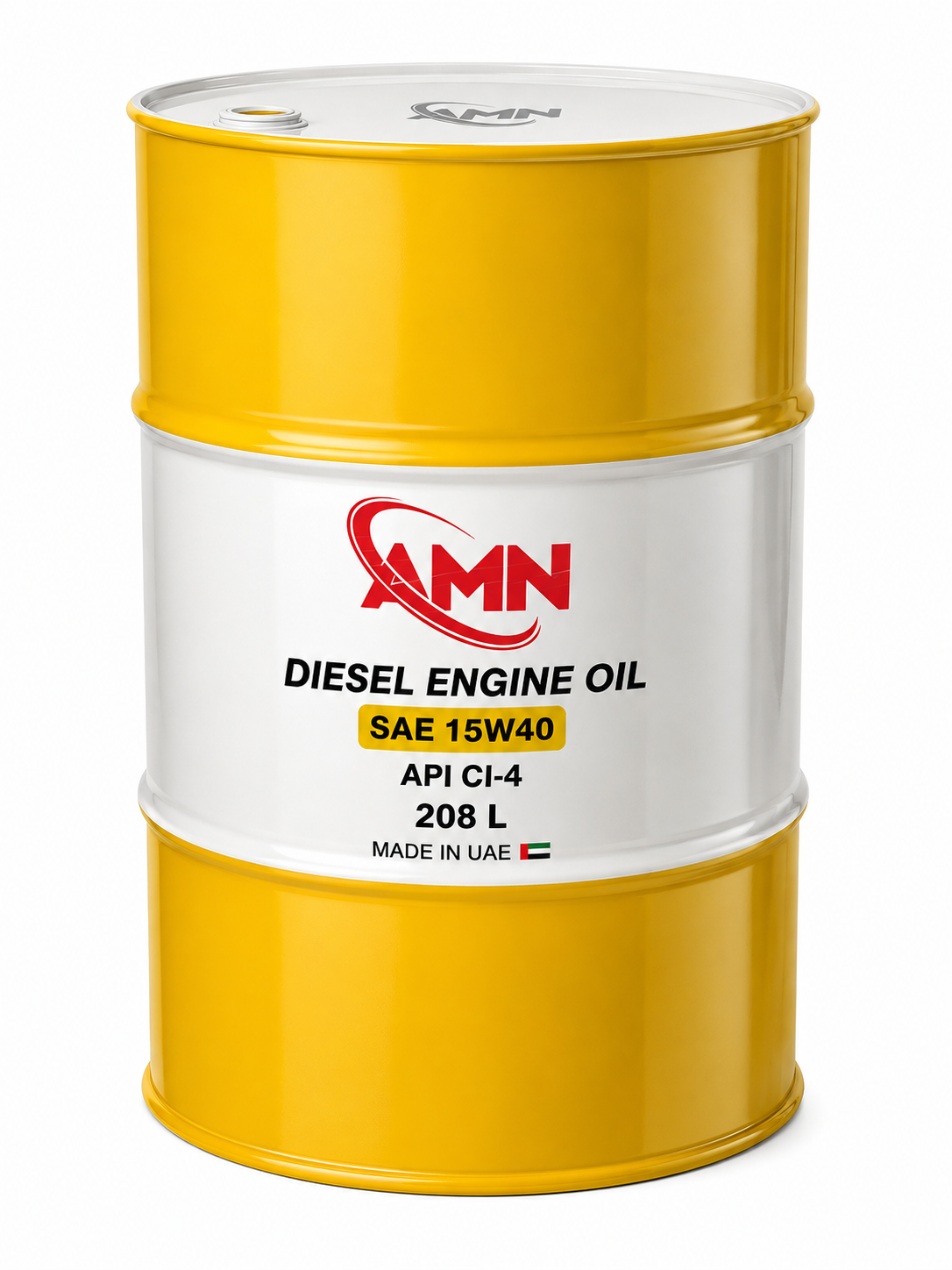
Applications and Suitable Engines A 208-liter drum of diesel engine oil, commonly 15W-40 grade, is ideal for bulk usage in a range of diesel engines, including: Trucks, buses, and other commercial vehicles Construction and mining equipment (excavators, loaders, bulldozers) Industrial generators and compressors Agricultural machinery such as tractors and harvesters
 0 %
0 %
Common Viscosity Grades for Diesel Engines Diesel engine oils are classified based on SAE viscosity ratings, which describe oil flow at low and high temperatures. The most frequently available 208L drum oils include: SAE 15W-40: Industry standard for heavy-duty engines, suitable for trucks, buses, agricultural machinery, and construction equipment; performs well in moderately hot to warm climates. SAE 10W-30: Medium multi-grade oil for light to medium-duty diesel engines, offering better cold-start performance . SAE 20W-50: Thicker oil, ideal for older engines or high-temperature operation. SAE 5W-30 or 0W-40: Very thin oils for light-duty or high-performance diesel engines, suitable for cold climates or turbocharged engines.
 0 %
0 %
Types of Diesel Engine Oil Mineral Oil (Conventional): Refined crude oil, less expensive, requires regular changes, suitable for standard or older engines. Synthetic Oil: Chemically engineered for high performance and extreme temperatures, excellent for turbocharged or heavy-duty applications, reduces engine wear, and allows longer drain intervals. Semi-Synthetic (Blended): Combines mineral and synthetic oils, providing a balance of cost and performance, commonly used for high-load diesel engines
 0 %
0 %
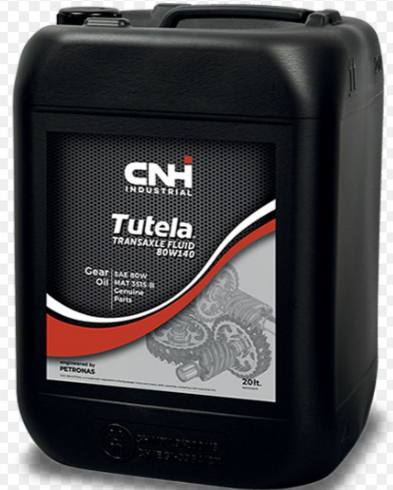
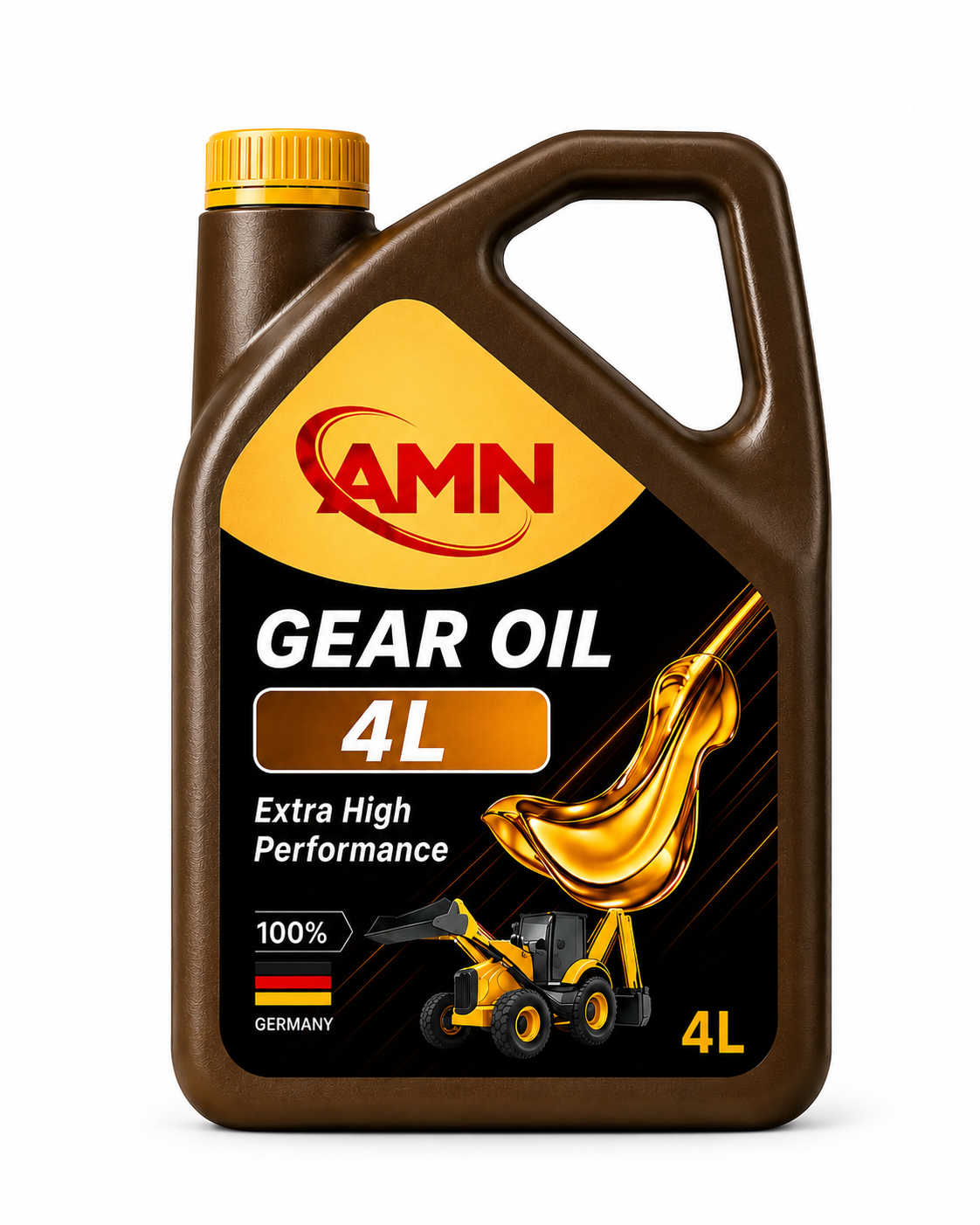
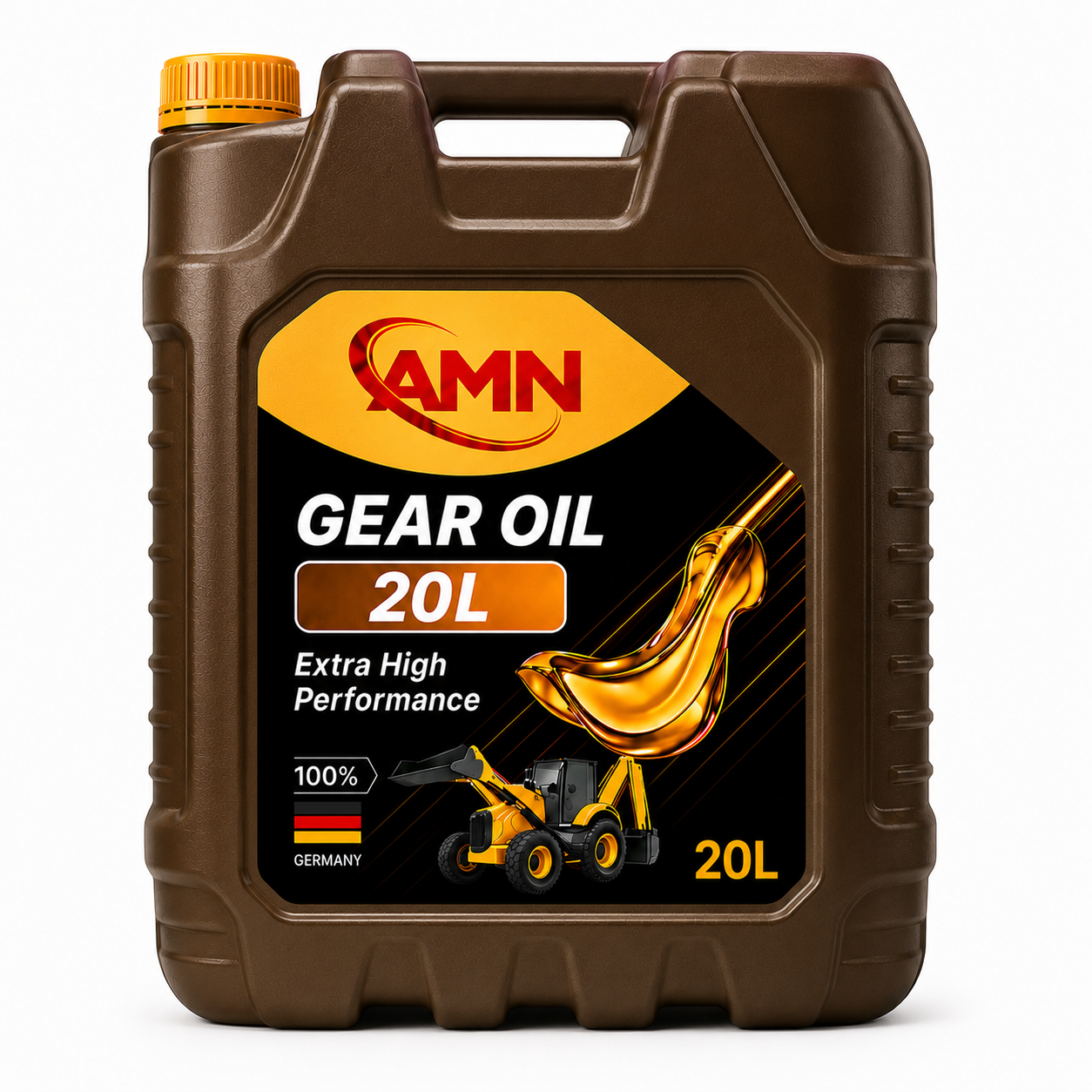
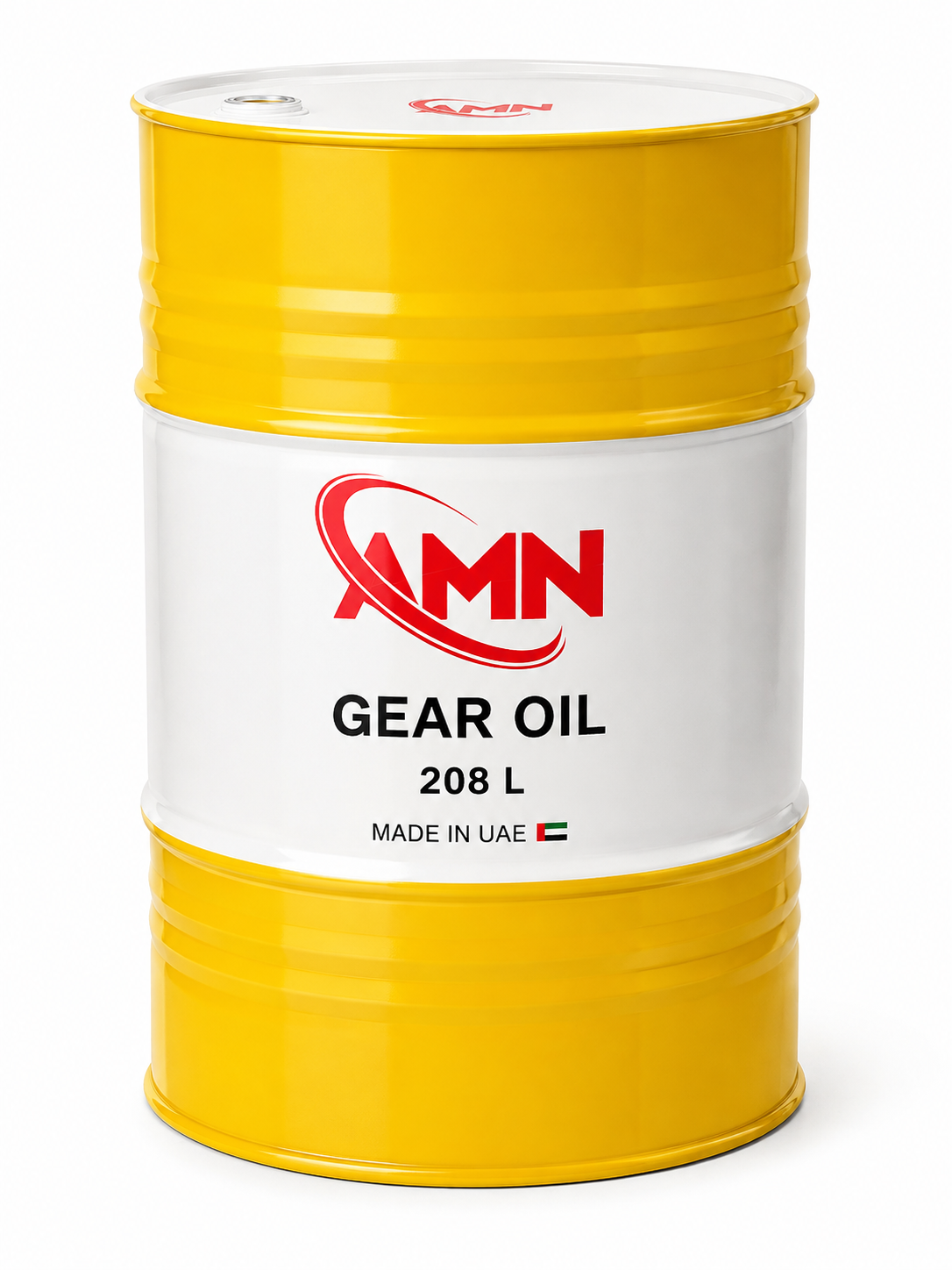
Primary Functions of Gear Oils It often contains Extreme Pressure (EP) additives, such as sulfur and phosphorus compounds, which form protective layers on gear surfaces under high stress to prevent metal-to-metal Other functions include preventing corrosion, minimizing contamination, and maintaining optimal gear performance over a wide range of operating temperatures Key Applications of Gear Oils Automotive Transmissions: Gear oils lubricate manual and automatic transmissions, ensuring smooth shifting, protecting synchronizer rings, and supporting gears operating under high torque or sliding forces 2 Sources Benefits of Proper Gear Oil Use Extends gear and bearing lifespan. Maintains smooth and quiet operation of drivetrains. Reduces heat buildup, preventing overheating. Enhances mechanical efficiency and performance. Protects against corrosion and metal fatigue, reducing maintenance needs.
 0 %
0 %
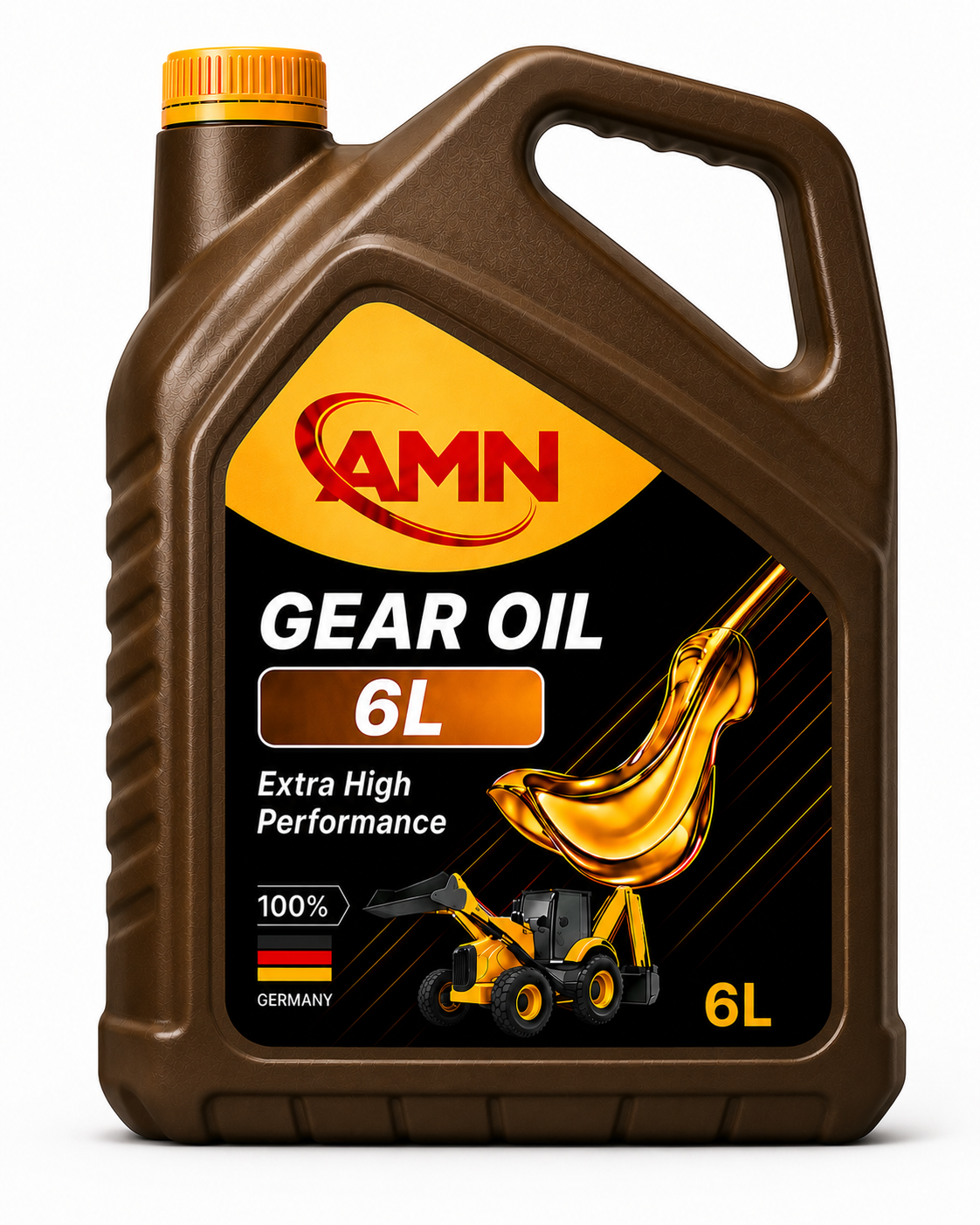
Maintenance and Benefits Using the correct gear oil type and following proper maintenance practices ensures: Reduced wear and tear on expensive components Quieter and smoother drivetrain operation Prolonged equipment lifespan and improved efficiency Prevention of overheating and catastrophic component failure
 0 %
0 %
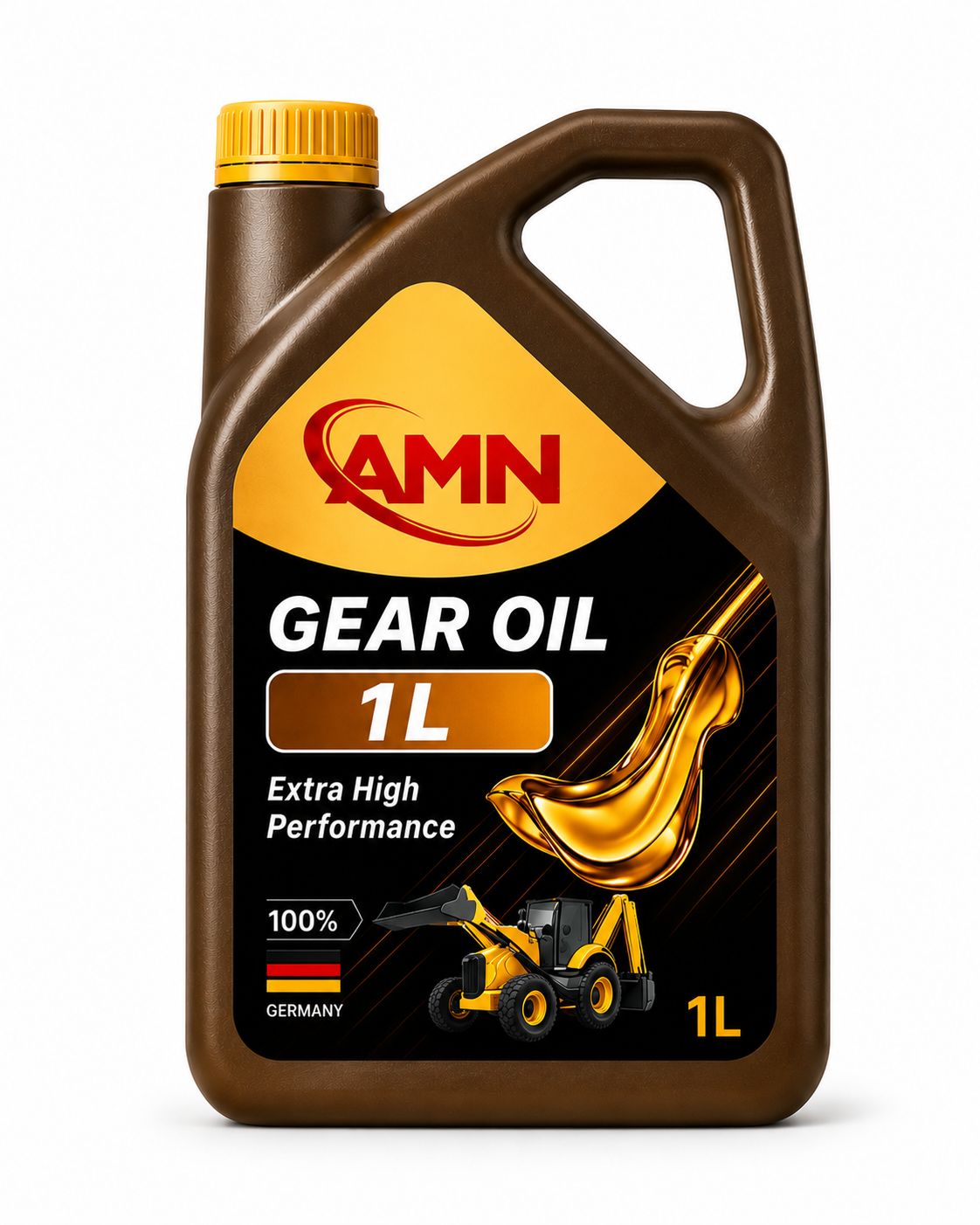
Types of Gear Oils for Specific Uses Different formulations help address operating conditions: Mineral gear oils: Affordable, general-purpose protection for standard gears. Synthetic gear oils: High stability at extreme temperatures, better load handling, and longer service life. Semi-synthetic gear oils: Combines benefits of mineral and synthetic oils for moderate cost and protection Extreme-pressure (EP) gear oils: Contains additives for high-load gears, preventing scuffing and wear Food-grade gear oils: Non-toxic options for machinery in food and pharmaceutical industries